
Fed’s Warsh Signals Rate Hike; SpaceX Retail Surge
Fed Chair Warsh drops cutting bias, futures price in a hike; SpaceX retail frenzy; U.S.-Iran deal reopens Strait of Hormuz; InStride raises $30M.
Healthcare Practice & Business Deals
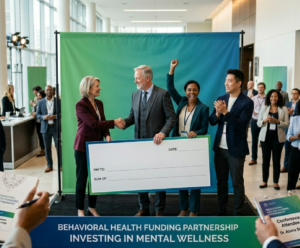
This week’s healthcare deal flow from the trade feeds is thin on named practice acquisitions, but one notable funding event stands out for the behavioral-health sector.
InStride Health closes $30M Series C. InStride Health, a pediatric mental health company, has raised $30 million in a Series C round to scale its services. The round drew new investors Echo Health Ventures and FMZ Ventures alongside existing backers .406 Ventures, Valtruis, General Catalyst, and Mass General Brigham Ventures. No valuation or revenue figures were disclosed. The raise signals continued private-capital appetite for behavioral-health platforms targeting younger patients, a segment that has attracted sustained DSO- and MSO-style roll-up interest from larger platforms looking for add-on targets.
Global Markets & Macro

Markets face a week defined by a more hawkish Federal Reserve, a geopolitically significant U.S.-Iran agreement, and a high-profile retail-investor driven market debut — all landing simultaneously.
Fed holds rates, removes cutting bias, signals possible hike. The Federal Reserve held its benchmark rate steady at its June meeting, but new Chair Kevin Warsh dramatically rewrote the policy statement to strip out any easing bias. The median Fed projection now calls for the federal funds rate to end 2026 at 3.8%, a quarter percentage point above the current target range — implying at least one hike this year. Warsh withheld his own individual rate forecast, or “dot,” from the Summary of Economic Projections, declining to provide forward guidance at his first meeting as chair. Futures markets responded by pricing in higher borrowing costs. Bond investor Jeffrey Gundlach characterized Warsh as definitively not the “easy money” chairman many had anticipated, arguing the stance reduces the risk of overly accommodative policy reigniting inflation.
U.S. and Iran sign MOU; Strait of Hormuz to reopen. The United States and Iran signed a memorandum of understanding this week, with President Trump confirming his signature on the agreement. Under the deal’s terms, Iran will reopen the Strait of Hormuz and the U.S. will lift its naval blockade; in exchange, Iran stands to receive sanctions relief to sell oil, with the potential for further relief — including access to frozen funds — contingent on future negotiations over its nuclear program. The signing, originally scheduled for Friday in Switzerland, was accelerated. Israeli Prime Minister Netanyahu reacted with fury, having been caught by surprise when Trump announced the deal, and Israeli officials said they had not been permitted to review the MOU’s text. U.S. gas prices fell below $4 per gallon following the announcement, though British officials and Bank of England policymakers cautioned that inflation would linger and kept UK interest rates on hold, citing continued uncertainty from the conflict’s economic aftermath.
SpaceX trading debut draws retail investor wave. SpaceX’s blockbuster stock market debut became a flashpoint for the growing influence of individual retail investors in financial markets. The company has rapidly become one of the world’s most valuable businesses. Michael Burry said publicly he was tempted to bet against SpaceX given its market capitalization relative to established companies, but ultimately passed, citing the cost of options. Financial advisers publicly cautioned individual buyers about the risks of concentrated single-stock exposure.
G7 wraps; China presses AI governance. The G7 summit concluded without Chinese participation, but Beijing used the occasion to publish a global governance whitepaper foregrounding artificial intelligence safety and announcing accelerated international cooperation efforts — a move that positions China as an active voice in shaping global AI norms ahead of anticipated multilateral frameworks.
What to Watch
For healthcare practice owners and advisors, the InStride raise is a reminder that behavioral-health platforms — particularly those serving pediatric populations — remain active fundraising targets, often serving as the pipeline for future acquisition roll-ups; watch for DSO- and MSO-style consolidators to approach well-capitalized platforms like this as add-on targets in the back half of 2026. On the macro side, the Fed’s hawkish pivot under Warsh is the single most consequential variable for practice financing: if futures markets are correct that a rate hike is coming before year-end, buyers relying on floating-rate acquisition debt will face tighter underwriting, potentially compressing valuations. The Strait of Hormuz reopening offers near-term relief on fuel and transport costs, but the Bank of England’s warning that inflation will linger — echoed by Warsh’s own anti-inflation posture — suggests rate relief is not imminent on either side of the Atlantic. The U.S.-Iran nuclear negotiation track beginning in Switzerland on Friday is the geopolitical event to monitor closely for any disruption to the fragile commodity price relief now baked into markets.