
AI Tech Selloff Rattles Markets; PBM Merger Abarca-LucyRx
Abarca Health and LucyRx combine to serve 9M+ members; Big Tech AI selloff shakes Wall Street; Iran deal eases oil; Fed outlook shifts.
Healthcare Practice & Business Deals

Qualifying specific deal activity this period is limited to one notable combination in the pharmacy benefit management space, while the broader healthcare candidate pool is dominated by policy, technology, and clinical commentary rather than named practice transactions.
Abarca Health and LucyRx to Combine: Independent pharmacy benefit managers Abarca Health and LucyRx have announced plans to merge, with the combined entity targeting a membership base of more than 9 million members. The deal is framed as a scale play for the independent PBM model — positioning the combined company as an alternative to the large, insurer-owned PBMs that dominate the market. Financial terms were not disclosed in available reporting. The transaction reflects broader pressure on independent PBMs to consolidate in order to negotiate competitively on drug pricing and administrative infrastructure.
Eli Lilly Halts 340B Discounts to Non-Compliant Hospitals: While not a practice acquisition, a significant commercial disruption is reshaping financial relationships between a major drugmaker and hospital systems. Eli Lilly followed through on its previously stated ultimatum, halting 340B program discounts to hospitals that declined to submit claims data under its new paperwork requirements. Hospital groups responded by calling the policy unlawful, arguing Lilly has no legal authority to impose its own compliance framework on a federal discount program, and urged the Health Resources & Services Administration (HRSA) to intervene. The financial impact on affected hospital systems — particularly safety-net and disproportionate-share hospitals that rely heavily on 340B savings — could be material, though specific dollar figures were not disclosed in available reporting.
Note: No additional small- or medium-sized practice acquisitions with named buyers, sellers, or disclosed terms appeared in this period’s candidate pool.
Global Markets & Macro
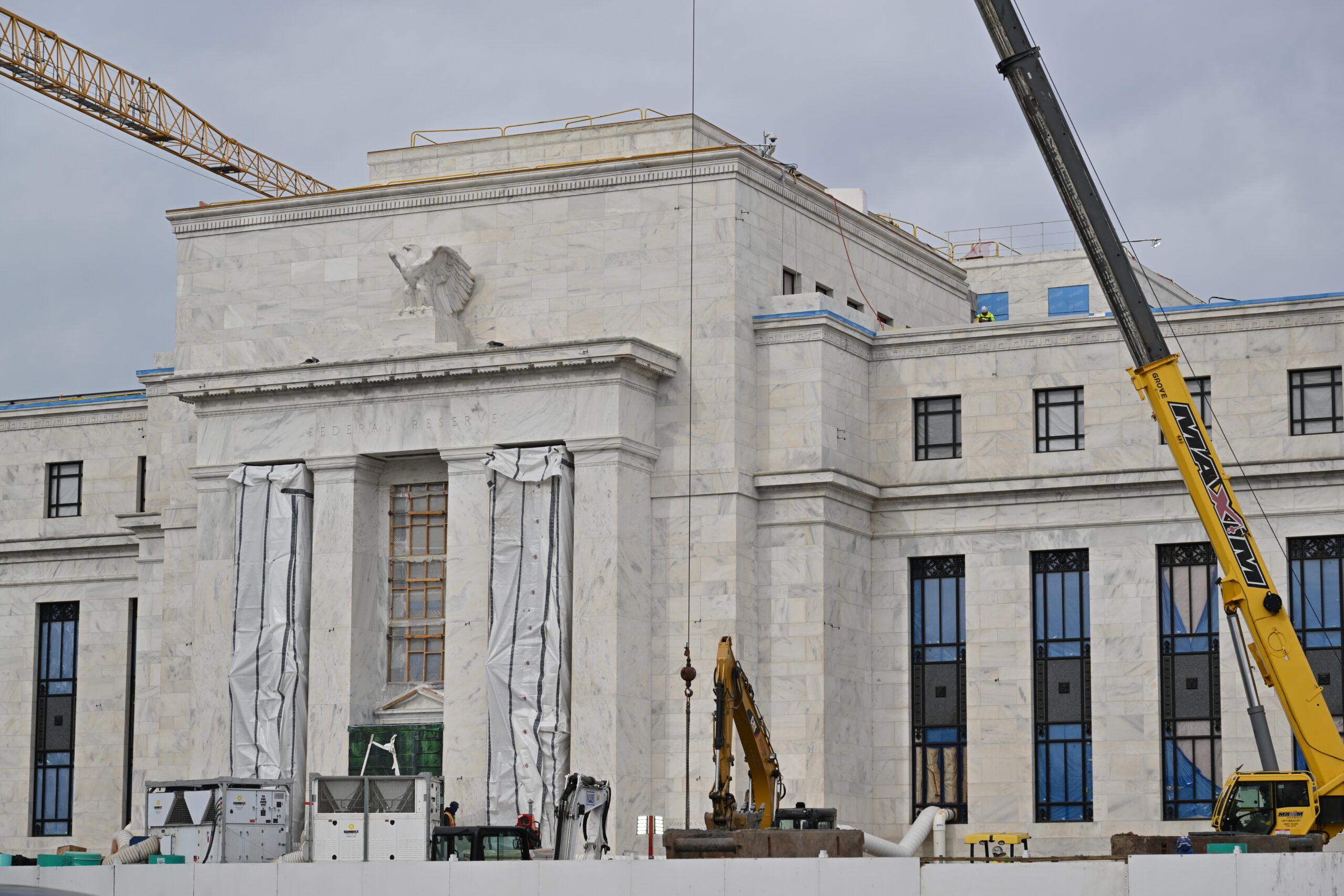
A bruising week for technology stocks, shifting signals on Federal Reserve leadership, easing geopolitical pressure in the Middle East, and fresh trade friction in Europe dominated the global financial agenda.
Big Tech Selloff Delivers an AI Reality Check: Wall Street absorbed a significant blow as a broad selloff in major technology stocks raised questions about whether the artificial-intelligence rally that has powered equity markets may be overextended. The Nasdaq declined for a second consecutive session, with interest rate concerns compounding the pressure on high-multiple tech names. The selloff triggered wider anxiety about the durability of AI-driven valuations — a theme amplified by news that Google DeepMind lost two high-profile researchers in a single week, including Noam Shazeer (co-author of the foundational 2017 “Attention Is All You Need” paper) to OpenAI, and Nobel Prize-winning scientist John Jumper to Anthropic, underscoring intensifying talent competition across AI labs.
New Fed Leadership and a Supply-Side Pivot: Commentary from Morgan Stanley’s Jim Caron flagged a meaningful philosophical shift at the Federal Reserve under incoming Chair Kevin Warsh. According to Caron, Warsh is a “supply side economist” who is expected to weight supply-side indicators more heavily than traditional demand-side data in setting monetary policy — a departure that could alter how markets interpret future rate decisions and inflation signals. The direction of interest rates remains a central preoccupation for investors, with multiple commentators flagging elevated uncertainty around the Fed’s next moves.
Oil Eases as Hormuz Tanker Traffic Resumes: Crude oil prices dipped after an interim agreement between Iran and the United States appeared to reduce immediate risks to energy shipments through the Strait of Hormuz, with tankers reportedly transiting the strategic chokepoint more openly. The deal eased one of the near-term supply-risk premiums that had kept energy markets on edge, though the broader geopolitical situation remains fluid.
EU Launches New Levy on Online Shoppers: The European Union is set to impose a new levy on online purchases, primarily targeting goods from China, which takes effect next week. Brussels estimates the measure will generate approximately €6 billion, adding a fresh layer of trade friction between the EU and China at a time when both sides are navigating complex economic relationships. Bargain-hunting EU consumers will face higher costs on imports previously subject to minimal duties.
Bank of Canada Warns on Over-Investment in the US: Bank of Canada Governor Tiff Macklem cautioned that over-concentration of global investment in the United States is creating financial stability risks, warning of potential correction dynamics for the broader global financial system if the trend continues unchecked. The statement adds to a growing chorus of concern from international monetary officials about portfolio concentration and cross-border capital flow imbalances.
What to Watch
The week ahead will test whether the technology-sector selloff deepens into a broader market correction or stabilizes as investors reassess AI valuations — watch for any Fed commentary that clarifies how incoming Chair Warsh intends to interpret inflation and supply-side data. In healthcare, the escalating standoff between Eli Lilly and hospital groups over 340B compliance is likely to draw a regulatory response from HRSA, with significant downstream implications for safety-net providers; simultaneously, the Abarca-LucyRx combination will face scrutiny as independent PBMs attempt to prove their model can scale. On the geopolitical front, the durability of the US-Iran interim agreement will determine whether the recent oil price relief holds or reverses sharply.